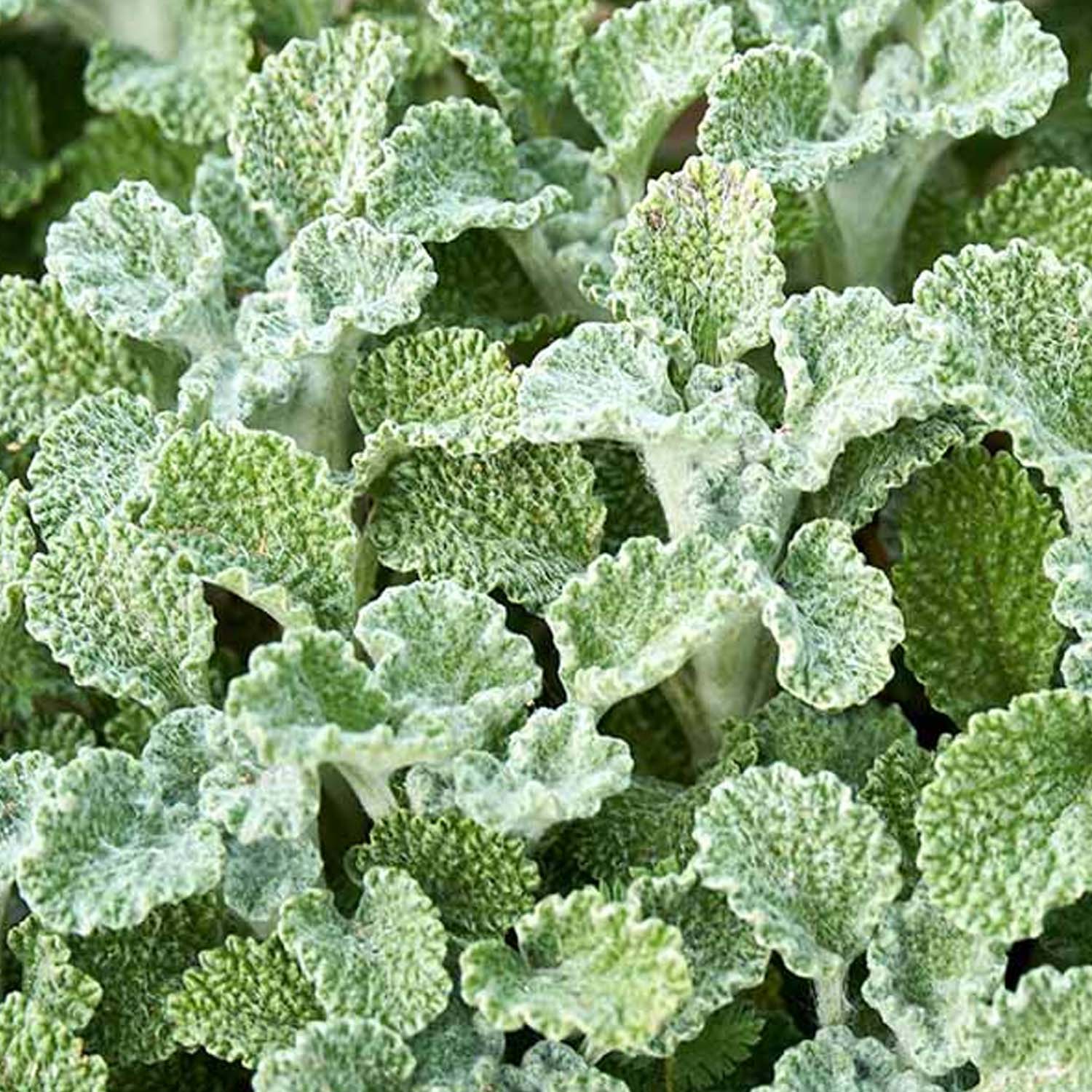
Horehound - 4" Pot
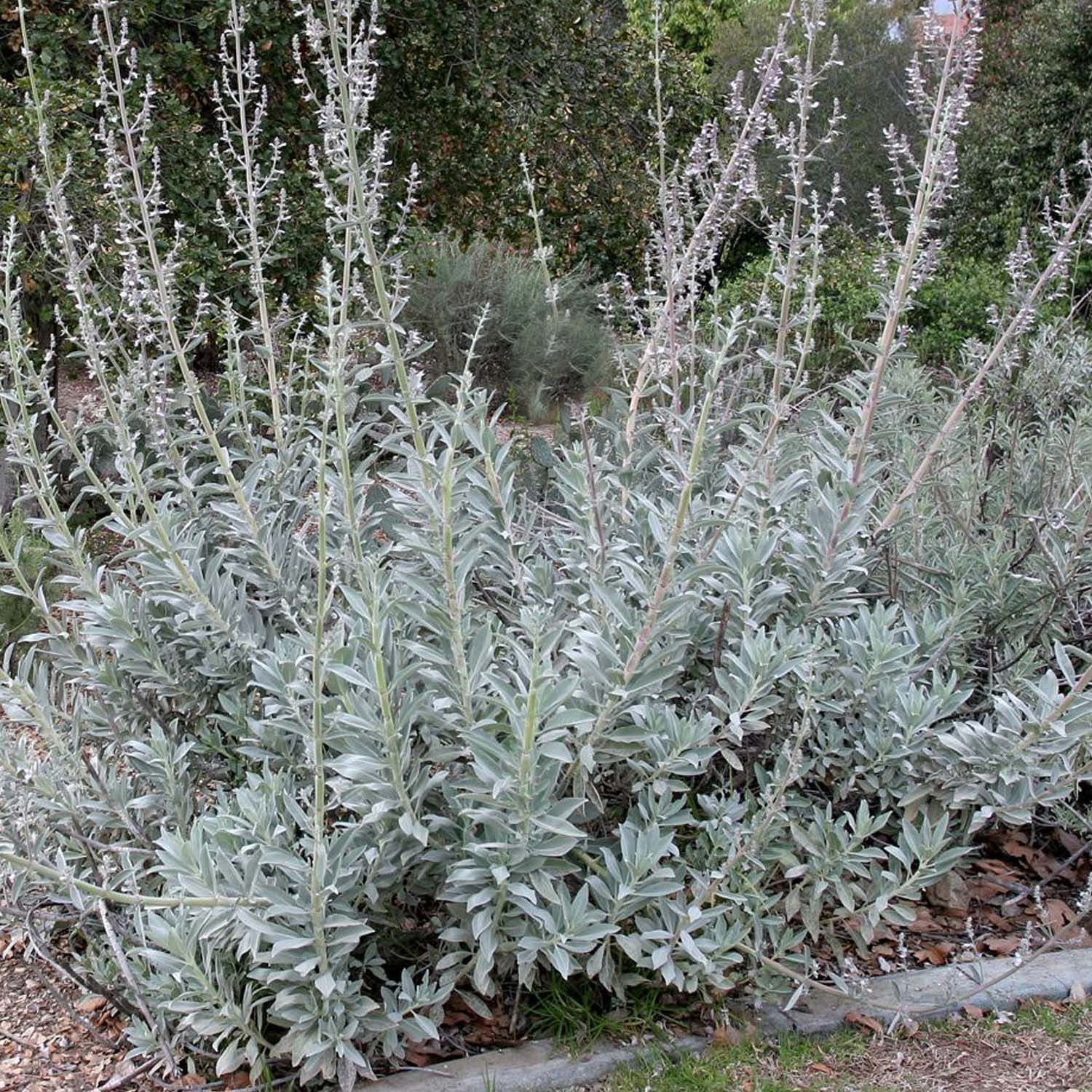
Horehound (Marrubium vulgare), commonly known as white horehound or common horehound, is a hardy perennial herb in the mint family (Lamiaceae), native to Europe, North Africa, and Central Asia, now naturalized widely including in North America. This drought-tolerant plant grows 10–18 inches tall (up to 3 feet in some conditions), with square stems, wrinkled, crinkled gray-green leaves densely covered in woolly white hairs underneath, and small white flowers clustered in whorls along the upper stems. It thrives in full sun, poor sandy or dry soils, and has a pungent, musky aroma when fresh that becomes more pleasant when dried. The leaves and flowering tops contain bitter compounds like marrubiin, flavonoids, and phenolics.
Primarily valued for its medicinal properties, horehound serves as a traditional expectorant to loosen mucus and ease coughs, bronchitis, sore throats, colds, and respiratory issues; it's a key ingredient in herbal cough drops, lozenges (like Ricola), syrups, and hard candies. Its bitter taste stimulates digestion, aiding appetite loss, indigestion, bloating, and mild stomach complaints when sweetened with honey. Use fresh or dried leaves in teas, tinctures, or infusions for throat relief and digestive support; fresh maximizes potency, though it's often candied or combined with sweeteners to offset bitterness for palatability.
Mature Height: 2ft
Mature Width: 2ft
Light: Full Sun
Water: Moderate
Visit Roger's Gardens Herb Almanac
* In-Store Pickup Available - Fees May Apply
Horehound - 4" Pot
Horehound (Marrubium vulgare), commonly known as white horehound or common horehound, is a hardy perennial herb in the mint family (Lamiaceae), native to Europe, North Africa, and Central Asia, now naturalized widely including in North America. This drought-tolerant plant grows 10–18 inches tall (up to 3 feet in some conditions), with square stems, wrinkled, crinkled gray-green leaves densely covered in woolly white hairs underneath, and small white flowers clustered in whorls along the upper stems. It thrives in full sun, poor sandy or dry soils, and has a pungent, musky aroma when fresh that becomes more pleasant when dried. The leaves and flowering tops contain bitter compounds like marrubiin, flavonoids, and phenolics.
Primarily valued for its medicinal properties, horehound serves as a traditional expectorant to loosen mucus and ease coughs, bronchitis, sore throats, colds, and respiratory issues; it's a key ingredient in herbal cough drops, lozenges (like Ricola), syrups, and hard candies. Its bitter taste stimulates digestion, aiding appetite loss, indigestion, bloating, and mild stomach complaints when sweetened with honey. Use fresh or dried leaves in teas, tinctures, or infusions for throat relief and digestive support; fresh maximizes potency, though it's often candied or combined with sweeteners to offset bitterness for palatability.
Mature Height: 2ft
Mature Width: 2ft
Light: Full Sun
Water: Moderate
Visit Roger's Gardens Herb Almanac
* In-Store Pickup Available - Fees May Apply
Product Information
Product Information
Shipping & Returns
Shipping & Returns
Description
Horehound (Marrubium vulgare), commonly known as white horehound or common horehound, is a hardy perennial herb in the mint family (Lamiaceae), native to Europe, North Africa, and Central Asia, now naturalized widely including in North America. This drought-tolerant plant grows 10–18 inches tall (up to 3 feet in some conditions), with square stems, wrinkled, crinkled gray-green leaves densely covered in woolly white hairs underneath, and small white flowers clustered in whorls along the upper stems. It thrives in full sun, poor sandy or dry soils, and has a pungent, musky aroma when fresh that becomes more pleasant when dried. The leaves and flowering tops contain bitter compounds like marrubiin, flavonoids, and phenolics.
Primarily valued for its medicinal properties, horehound serves as a traditional expectorant to loosen mucus and ease coughs, bronchitis, sore throats, colds, and respiratory issues; it's a key ingredient in herbal cough drops, lozenges (like Ricola), syrups, and hard candies. Its bitter taste stimulates digestion, aiding appetite loss, indigestion, bloating, and mild stomach complaints when sweetened with honey. Use fresh or dried leaves in teas, tinctures, or infusions for throat relief and digestive support; fresh maximizes potency, though it's often candied or combined with sweeteners to offset bitterness for palatability.
Mature Height: 2ft
Mature Width: 2ft
Light: Full Sun
Water: Moderate
Visit Roger's Gardens Herb Almanac
* In-Store Pickup Available - Fees May Apply